
In terms of batting, Pakistan played less than expected while Zimbabwe played better than expected but still the gap between the two teams was so wide that Pakistan pulled a certain victory from Zimbabwe’s mouth and made it even more difficult.
When Babar Azam was returning to the dressing room after winning the toss, his estimate would have been that 300 runs could have been easily scored on this wicket, but his openers may have come up with something else.
Pakistan took such precautions in the power play that Zimbabwean bowling problems became much easier. This wicket was also favorable for medium pacers as it did not have the traditional pitch speed of Pindi. Occasionally there was an unbalanced bounce, which Zimbabwe used very well.
Perhaps Imam-ul-Haq walked away from the dressing room cautiously or feared the bounce trick that he missed the opportunity to collect boundaries with the new ball. His name appears to be a fifty in the Go score card, but his fifty in the current standards of ODI cricket raises some questions.

This question is not new to the Pakistani dressing room, this question has been raised in every era and in every era whether the player plays for his survival or for the survival of the team.
However, Zimbabwe’s bowling also turned out to be better than Pakistan’s expectations. All the bowlers except Mamba seemed to be in control and Sikandar Raza played the same role in the middle overs that he used to play for Mohammad Hafeez’s off-spin Pakistan.
The target of 282 on this wicket was not invincible for Zimbabwe and the Zimbabwean batsmen decided to pursue it with courage. Zimbabwe’s run rate in the first power play was much better than Pakistan’s.
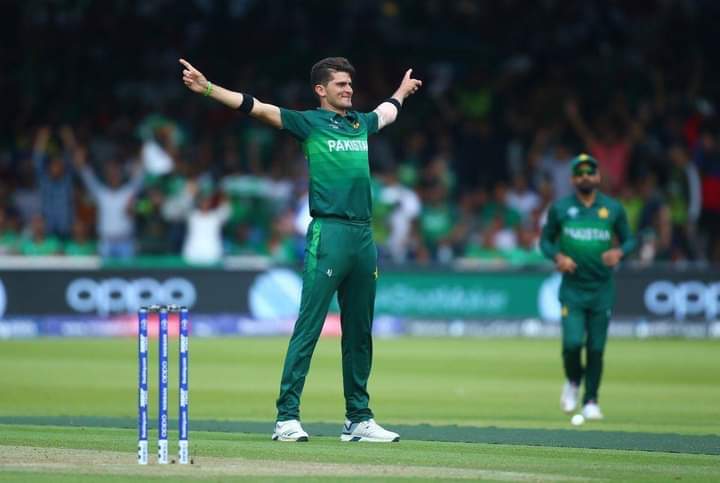
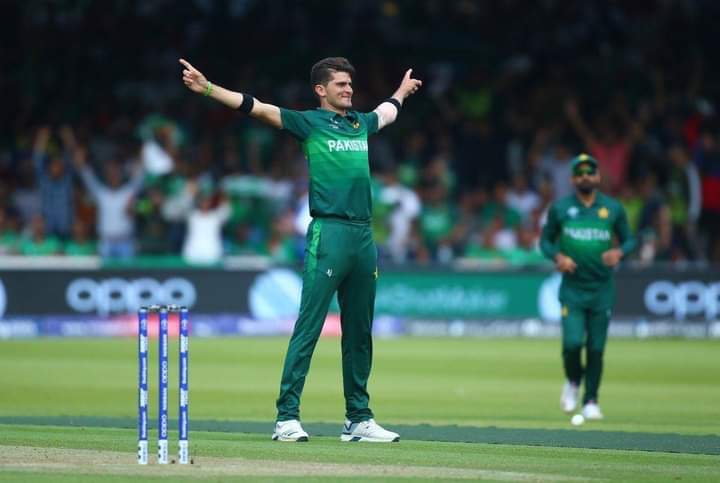
For Shaheen Shah Afridi, however, this wicket proved to be a bit too familiar as he was just a few days ago winning the National Twenty20 Championship for his team at the same ground and now he is not only his region, but also his national team’s bowling attack. If he is also a leader, then his sense of responsibility is reflected in his game approach.
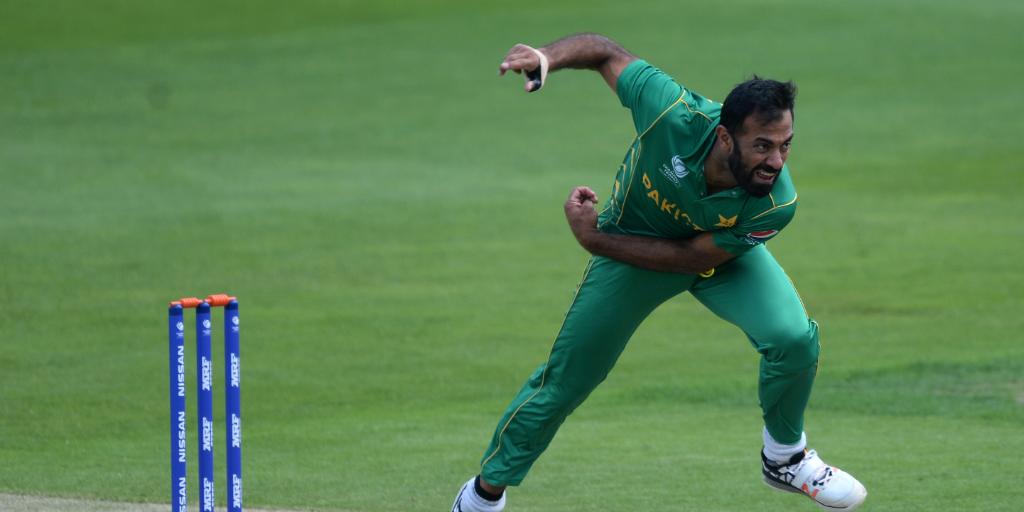
At the same time, Pakistan’s decision was a good one that the importance of experience was not overlooked in the race to develop new pacers. That is why Wahab Riaz is still a part of this attack and where Dida Ghag is playing the role of ‘elder’. Where the matter seems to be out of the hands of young men, they show one way or another in the light of their experience.











 KhabarWala.com